Children cannot always explain what hurts or feel when something is wrong with their teeth. A toddler refuses to eat a favourite snack. Another child wakes up crying during the night. Sometimes, parents assume these changes are part of growing up, teething or ordinary childhood fussiness. In some cases, though, the problem begins with a tiny tooth that needs attention. So the Children’s Dental Care and when should your child must visit a dentist? are very important thing you must concentrate.
Many parents hesitate because of only one or two teeth their child has. Others wait until preschool because they believe baby teeth will eventually fall out anyway. Both are understandable concerns, but neither is a good reason to postpone an initial dental assessment.
Knowing when to book that first appointment, what the dentist will examine and how to care for those early teeth can make everyday decisions much easier.
The Best Time to Book Your Child’s First Dental Appointment.
The American Academy of Pediatric Dentistry recommends establishing an ongoing relationship with a dentist during this early stage of development.
For many babies, the first tooth emerges at around six months, although some teeth appear earlier or later.
There is no need to wait for several teeth to come through. The first appointment is very significant to save a child’s dental health
If your child is already past their first birthday, arrange a visit without worrying about the delay. An examination now is more useful than waiting another year.
Why visit before a problem develops?
Dental problems will not show up suddenly. Early tooth decay can develop without obvious pain, and a young child may not have the words to describe sensitivity.
Regular checkups will save a child’s oral health at the right time before the defects start. Parents can use the right brushing method, feeding methods, toothpaste, and good habits to save dental health
Think of this appointment as an introduction to caring for your child’s mouth, rather than a visit reserved for treatment.
Baby Teeth Have a Job to Do.
Baby teeth are temporary, but the years a child spends using them matter.Healthy primary teeth also make everyday activities, including eating and sleeping comfortably, easier for children.
Imagine a four-year-old with a decayed back tooth. The child may begin chewing on the opposite side, leave certain foods unfinished or wake during the night. Since the tooth is eventually going to fall out, a parent might be tempted to leave it alone.
That can be a mistake.
Depending on the damage, treatment may involve a filling, a child-appropriate pulp treatment or extraction. If a baby tooth is lost too early, a dentist may need to assess whether a space maintainer is appropriate to help preserve room for the permanent tooth.
Not every damaged baby tooth requires the same treatment. The child’s age, the tooth involved and the extent of the problem all influence the decision.
At the first visit, what will a dentist check?
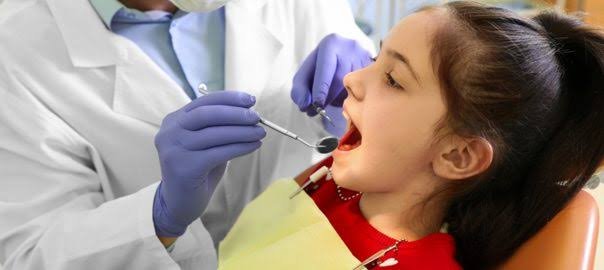
The first appointment is generally straightforward for a baby who has no symptoms. The dentist will examine the mouth of the child first and helping parents understand what to expect as their child grows.
The visit may include:
- Checking the teeth that have erupted and examining the gums.
- Looking for early changes that could indicate decay.
- Assessing oral development and any visible concerns with the bite.
- Reviewing bottle-feeding, nighttime feeding and snacking habits.
- Demonstrating age-appropriate brushing and toothpaste use.
- Discussing preventive treatments according to the child’s needs.
X-rays are not automatically required during every visit; they should be considered when the clinical examination and the child’s individual needs justify them.
Do not expect a baby or toddler to sit perfectly still. The dentist may examine the child while they sit on a parent’s lap, using a gentle approach suited to their age and comfort
Dental Problem can be identified with a small changes.
Parents often notice changes in behaviour before a child points to a particular tooth. Paying attention to these details can help you decide when an appointment is needed.
Changes in the colour of a tooth.
A white patch near the gumline may be an early sign of enamel damage. Yellow, brown or dark areas can have several causes, including tooth decay. Colour alone cannot confirm a cavity, so a dentist should examine any unexplained change.
Avoiding certain foods.
If a child suddenly refuses cold drinks, complains while eating or stops chewing on one side, dental discomfort may be responsible. Ask about the pain and arrange an examination rather than repeatedly changing the child’s food.
Bleeding or swollen gums.
when plaque collects around the teeth gums may get irritation. Persistent bleeding, redness or tenderness should be assessed, especially if better brushing does not resolve the problem.
Persistent unpleasant breath.
Morning breath is common. However, breath that remains unpleasant after regular cleaning may be associated with plaque, tooth decay, gum problems or another condition that needs attention.
Pain, swelling or an injured tooth.
A chipped tooth, a tooth displaced by a fall or pain that interferes with eating deserves prompt dental advice. Swelling around the face or gums, particularly when accompanied by fever or severe pain, requires urgent assessment.
If your child has difficulty breathing orswallowing because of swelling, seek emergency medical care immediately.
How Cavities Develop in Young Children.
Tooth decay develops over time rather than appearing without a reason. Bacteria in the mouth form plaque, a sticky layer that collects on tooth surfaces. When these bacteria break down sugars from foods and drinks, acids are produced. Repeated acid exposure can weaken the enamel and eventually create a cavity.
Several everyday habits can increase this risk.
Biscuits, sweets, sweetened drinks and other foods containing free sugars can expose teeth to repeated acid attacks, particularly when children snack throughout the day.
Inadequate brushing: Food debris and plaque can remain around the gumline and between teeth if cleaning is inconsistent or ineffective.
**Bedtime feeding habits:**Repeated exposure to milk, formula or sweetened drinks during sleep can contribute to decay when teeth are not cleaned properly. The appropriate feeding advice depends on the child’s age and nutritional needs.
Missed dental visits: Without regular examinations, early changes may remain unnoticed until the tooth becomes painful.
These factors do not mean that every child who eats sweets will develop cavities. The frequency of sugar exposure, fluoride use, oral hygiene and individual susceptibility all influence risk.
A Simple Home Routine for Healthier Teeth
Good oral care does not need to be complicated. A few consistent habits can make a meaningful difference.
Begin cleaning with the first tooth
Use a small, soft toothbrush and fluoride toothpaste from the time the first tooth erupts. General paediatric guidance recommends a smear about the size of a grain of rice for children younger than three and a pea-sized amount from age three onwards.
An adult should apply the toothpaste and help with brushing. Supervise the child so they do not swallow toothpaste or use more than the recommended amount. Your dentist can advise on the appropriate fluoride concentration for your child.
Brush twice a day, making sure to clean around the gumline and all accessible tooth surfaces. Bedtime brushing deserves particular attention because it removes plaque and food residue accumulated during the day.
Make water the usual drink between meals
Offer water regularly and avoid letting a child sip sweetened beverages throughout the day. Whole fruit, suitable vegetables and plain yoghurt can be useful snack choices, depending on the child’s age and dietary needs.
Fruit juice should not become the default drink for thirst. Even drinks perceived as healthy can expose teeth to sugars and acids.
Help children practise rather than expecting perfection
A young child may enjoy holding a toothbrush but will not yet have the coordination needed to clean every surface properly. Let them participate, then finish the brushing yourself.
As the child grows, encourage independence while continuing to check their technique. The transition to brushing alone should depend on their ability to clean effectively, not simply on their age.
Choosing a Dentist Your Child Can Trust
A positive first appointment can help children become more comfortable with dental care as they grow. Look for a practitioner who explains procedures clearly, works patiently with young children and welcomes questions from parents.
A paediatric dentist has additional specialist training in treating infants, children and adolescents. A general dentist who regularly treats young patients may also be a suitable choice.
Before the appointment, explain that the dentist will look at the teeth and help keep them healthy. Avoid using dental treatment as a threat or promising that every procedure will be painless. Simple, honest explanations are usually more helpful.
If your child feels nervous, tell the dental team in advance. They can adapt the pace of the visit and explain each step in an age-appropriate way.
Conclusion:
Give Your Child’s Smile the Right Start.
Your child’s first dental visit is a chance to ask questions, learn practical techniques and spot concerns before they interfere with daily life. You do not have to wait for a full set of teeth or a complaint of pain to make that appointment.
Begin brushing as soon as the first tooth appears, use fluoride toothpaste in the recommended amount, keep sugary snacks and drinks in check, and follow a dental schedule suited to your child’s needs.
If your child has never visited a dentist, this is a good time to arrange an initial assessment.
Book a children’s dental check-up with our team to discuss your child’s developing teeth, preventive care and the next steps for maintaining a healthy smile.
Frequently Asked Questions
When should a baby first see a dentist?
Book the first visit when the first tooth appears, and no later than the first birthday. Early care allows the dentist to examine the mouth and advise parents on prevention.
Can a baby develop tooth decay?
Yes. Decay can affect baby teeth soon after they erupt. Regular cleaning with an age-appropriate amount of fluoride toothpaste and appropriate feeding habits help reduce the risk.
Should I wait until my child complains of toothache?
No. Early decay may not hurt. A dental examination can identify concerns that are not obvious at home.
How often should my child have a dental check-up?
Many children are reviewed every six months, although the ideal interval varies. Follow the schedule recommended by your child’s dentist.
What if my child cries during the appointment?
Crying is not unusual in babies and toddlers. Inform the dentist, allow time for the child to settle and follow the team’s guidance. An early visit is still valuable even if the child needs extra reassurance.
Are fillings necessary for baby teeth?
Some cavities can be managed with preventive measures, while others need restorative treatment. The decision depends on the depth of decay, the tooth’s condition and how long it is expected to remain in the mouth. Leaving active decay untreated can lead to pain or infection.